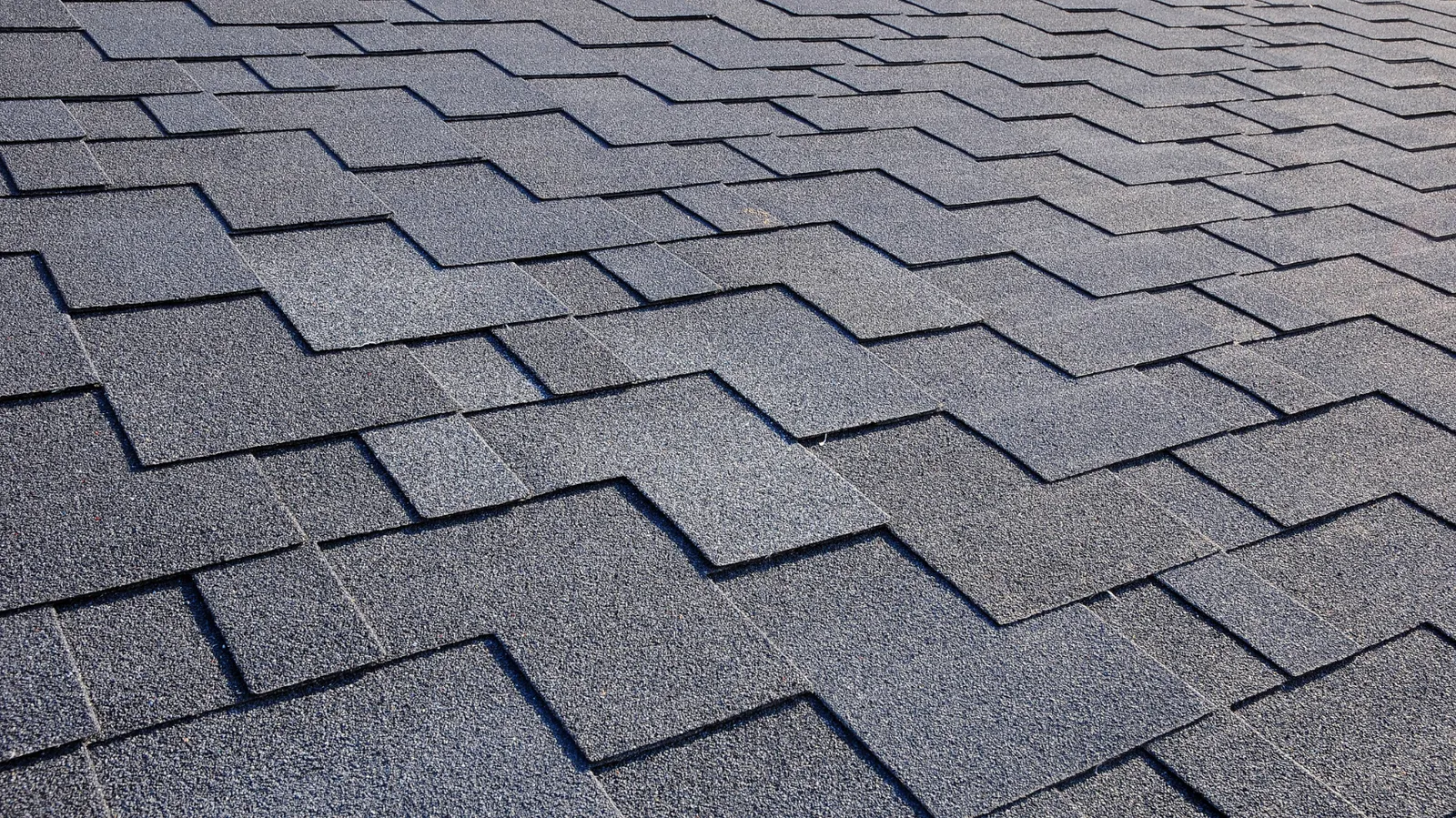
Every replacement conversation in Irving eventually reaches the same fork: pay a little more for shingles built to shrug off hail, or save the money up front. Those tougher shingles are rated Class 4, and the label confuses people because it sounds like a style when it is really a toughness grade. With Dallas County having logged hail as large as 4.00 inches, the question is a genuinely fair one here, not an upsell. Here is what Class 4 measures, why the local hail record makes it matter, and whether the extra cost earns its keep.
What Class 4 actually measures
The number to understand is the impact class, and it is easy to mix up with the names you shop by. Class 4 is the top rating on a hail test called UL 2218, which drops a two-inch steel ball onto a shingle and grades how well the mat resists cracking, from Class 1 up to Class 4. It is a measure of toughness under impact, and nothing else.
That rating sits on a completely separate axis from the style tiers, 3-tab, architectural, and designer, which describe how a shingle looks and layers. A shingle can be architectural in style and Class 4 in toughness at the same time, so choosing impact resistance does not mean giving up the look you want. The shingle guide lays the styles and the impact ratings out side by side so the two do not blur together.
Why Dallas County's hail makes the case
Hardware only matters if the weather calls for it, and here it does. The NOAA record for Dallas County shows 23 hail days over about four years, with the largest stone measured at 4.00 inches and peak winds near 96 miles an hour. A four-inch hailstone is roughly the size of a baseball, and it lands with real force.
It helps to be plain about the limit, though: no shingle is hailproof, and anyone who tells you otherwise is selling. What a Class 4 shingle buys is margin. It resists the bruising and the granule loss that quietly start a leak on an ordinary shingle, so it tends to reach that failure point later. On a roof that will sit through a decade of North Texas hail seasons, that margin is the whole argument. If a storm has already hit, the hail damage overview covers what to check first.
The insurance discount, honestly framed
There is a second reason Class 4 comes up so often in Texas, and it shows up on the bill to insure the house, not just the one to build the roof. A lot of Texas carriers write a premium credit for an impact-resistant roof, on the logic that a roof less likely to be damaged is a roof less likely to file a claim.
The credit is real, but it is not automatic and it is not the same at every company, so treat it as a question for your own agent rather than a promise. Ask what the discount is worth on your policy and what proof they want, which is usually a manufacturer certificate naming the shingle's Class 4 rating. Over the years the roof stays on, that yearly credit can hand back a meaningful slice of the upgrade. The insurance claim guide covers how coverage works when hail does get through.
What the upgrade costs on an Irving roof
None of this is free, so here are honest numbers. Across the DFW area, standard architectural shingles run about $440 to $670 per square, a square being 100 square feet of roof. Class 4 shingles run roughly $550 to $830 per square for the material and the install, so the upgrade is real but rarely enormous on a typical roof of around 24 squares.
Those are ranges and not a quote, since the true figure turns on your roof's pitch, its layers, and how easy it is to work on. What you are weighing is a somewhat higher number today against fewer hail claims and a possible insurance credit over the life of the roof. The cost guide breaks down what moves those ranges before anyone comes out.
Does it pencil out for your house?
For a lot of Irving roofs the math leans toward yes, and the honest way to decide is to match it to your own situation. If you plan to stay in the home, if the roof is fully exposed with little shade, and if your carrier offers a credit worth having, Class 4 tends to earn its premium over the years you own it.
The case is softer if you are planning to sell soon, or if the exact shingle you love does not come in a Class 4 version. There is no blanket rule that fits every house, and a local roofer can price both options on your actual roof and show you the insurance credit your carrier will honor, side by side, so the choice stays yours. Still weighing it? A free look puts real numbers on both.