
Roof Insurance Claim Help in Irving, TX
You open the claim, you control it, and no one files it for you. What a roofer adds is a fast dated inspection, clear photos, a written scope, and someone on the roof when the adjuster shows up.
Begin with a free inspection
Where an Irving roof claim actually starts
A storm claim can feel like a dozen decisions landing at once. It is really three, in order: find out what the storm actually did, decide with your insurer whether a claim makes sense, then get the approved work done right. Only the first is today's job, and it costs nothing: a roof inspection with dated photos, taken before anything is filed.
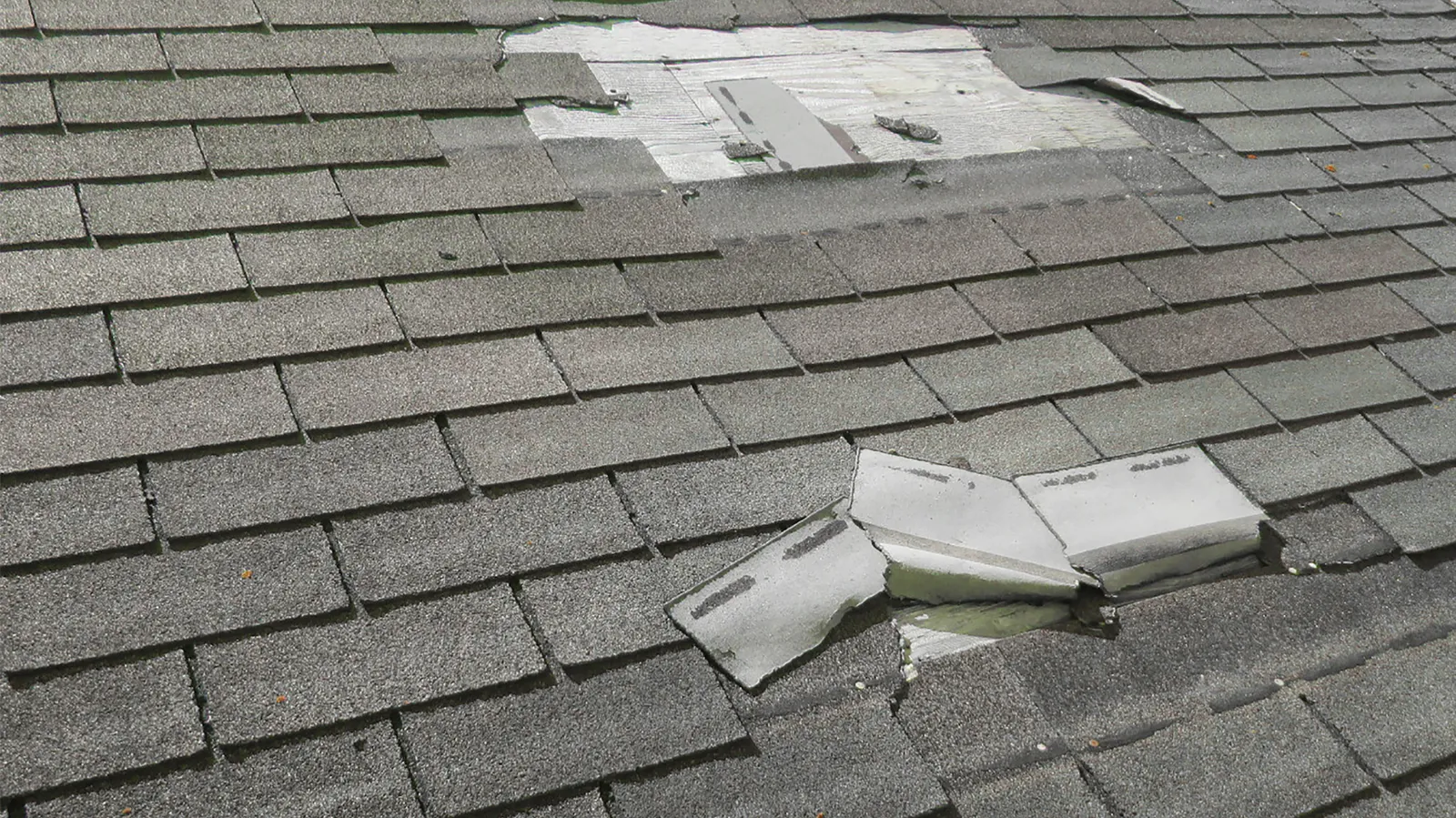
That order protects you. A covered claim turns on sudden storm damage rather than age and wear, and photos matched to a named storm date are what carry it. You open the claim and you stay in control of it; if the damage does not rise to a claim, you hear that plainly instead of chasing one. What hail actually does to a roof is laid out on the storm damage guide.

How the documentation supports your claim
Four steps, and the claim never leaves your hands. The roofer covers the roof, the photos, and the written scope; the insurer side stays yours.
A dated inspection
A roofer walks every slope and photographs what the storm did before weather blurs the evidence.
You open the claim
You file with your insurer and stay in control. No one opens or files it for you, ever.
The photos back you up
The dated photos and written scope travel with your claim, and the roofer can meet the adjuster if you want.
Approved work, scheduled
Once your insurer signs off, the repair or replacement is scheduled with the number already in writing.
A roof leaking right now gets dried in before any claim talk. Temporary work is named as temporary and put in writing, same as everything else.
Filing on your own vs filing with documentation behind you
Both can work. The difference is what the adjuster has to weigh besides their own quick pass over the roof.
| What the decision turns on | On your own | With a roofer's documentation |
|---|---|---|
| What the adjuster has to go on | Their own photos from one pass | Photos of every slope, dated and taken first |
| The repair scope | Whatever the first estimate lists | A written scope to check line by line |
| The adjuster visit | You walk it alone | A roofer on the roof alongside them, if you want |
| Damage that is easy to miss | Tough to prove weeks later | Photographed and dated from the first look |
| Your deductible | Yours to pay | Yours to pay, with any roofer |
An inspection never changes what your policy owes. It only changes how clearly the real storm damage shows when the call gets made.
Signs a claim is worth opening
- Hail of an inch or larger fell at your address on a storm date you can point to
- Fresh granule loss and dented gutters or vents that showed up right after the weather
- Shingles creased, lifted, or torn off along one slope after a high-wind day
- A leak or ceiling stain that began with a storm, not one that crept in over months
- Other roofs on your street getting worked on after a hail date you remember
- Damage that looks sudden and storm-shaped, not the even curling and cracking of plain age
If the roof is simply worn out, you will hear that too. A claim built on age wastes everyone's time, while an honest roof repair quote does not.
Insurance claim questions, answered straight
Read these before you pick up the phone to your insurer.
Q1Do you file the insurance claim for me?
Q2How long do I have to file a roof claim in Texas?
Q3Should a roofer ever pay my deductible?
Q4Should I be there when the adjuster comes?
Q5What if my claim gets denied?
Have a storm date? Begin with the inspection.
The first move is small: give us the storm date and what has changed on the roof since. A local roofer gets up there, hands back dated photos and a written scope, and you make the claim call from solid footing instead of a guess. No cost to find out.