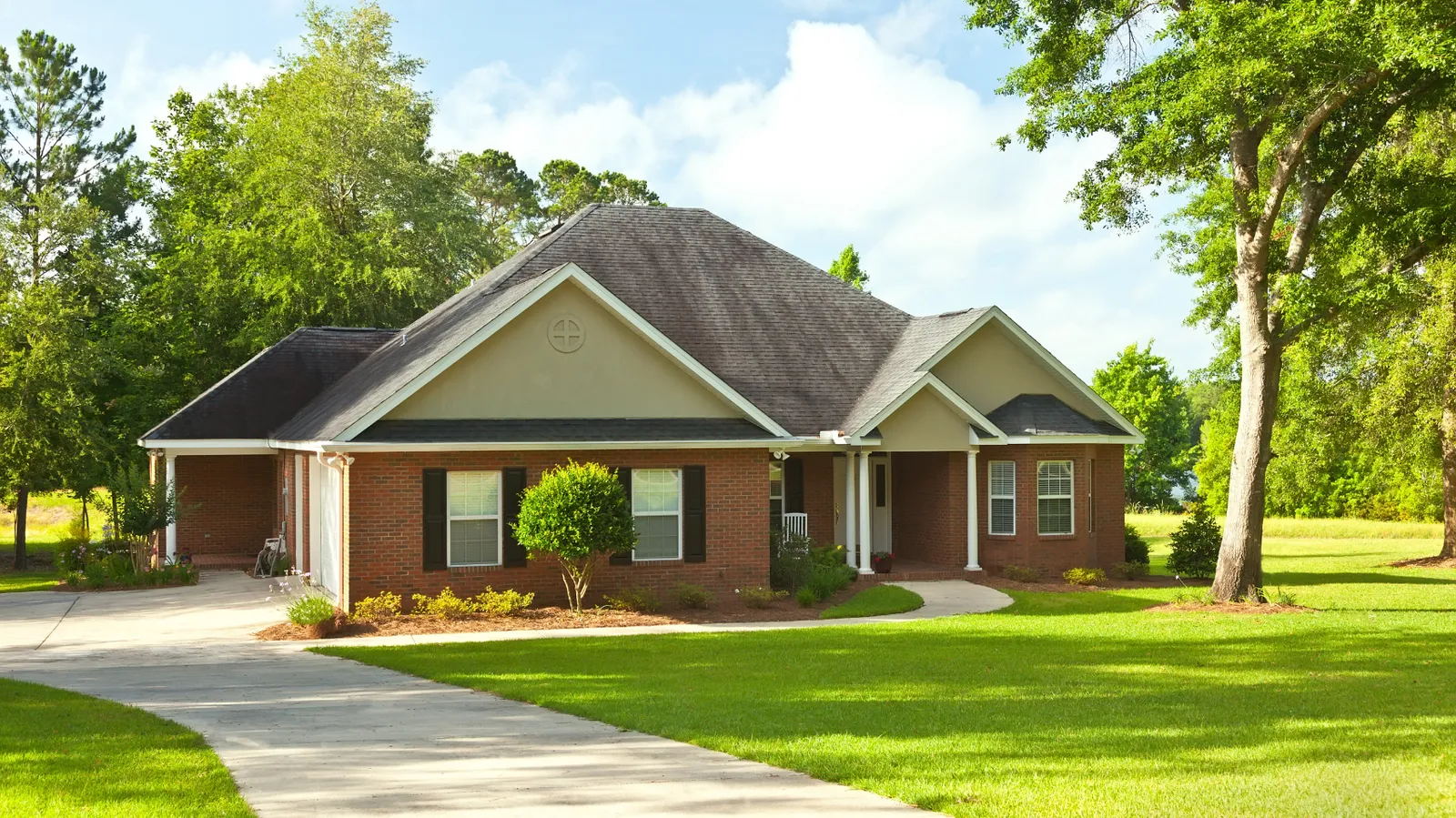
Roof Ventilation in Irving, TX
A Texas attic that can't breathe cooks shingles from the underside, so a local roofer balances the soffit intake against the ridge exhaust and gets the whole system moving air again.
Have your attic looked at
Roof ventilation works as one balanced system
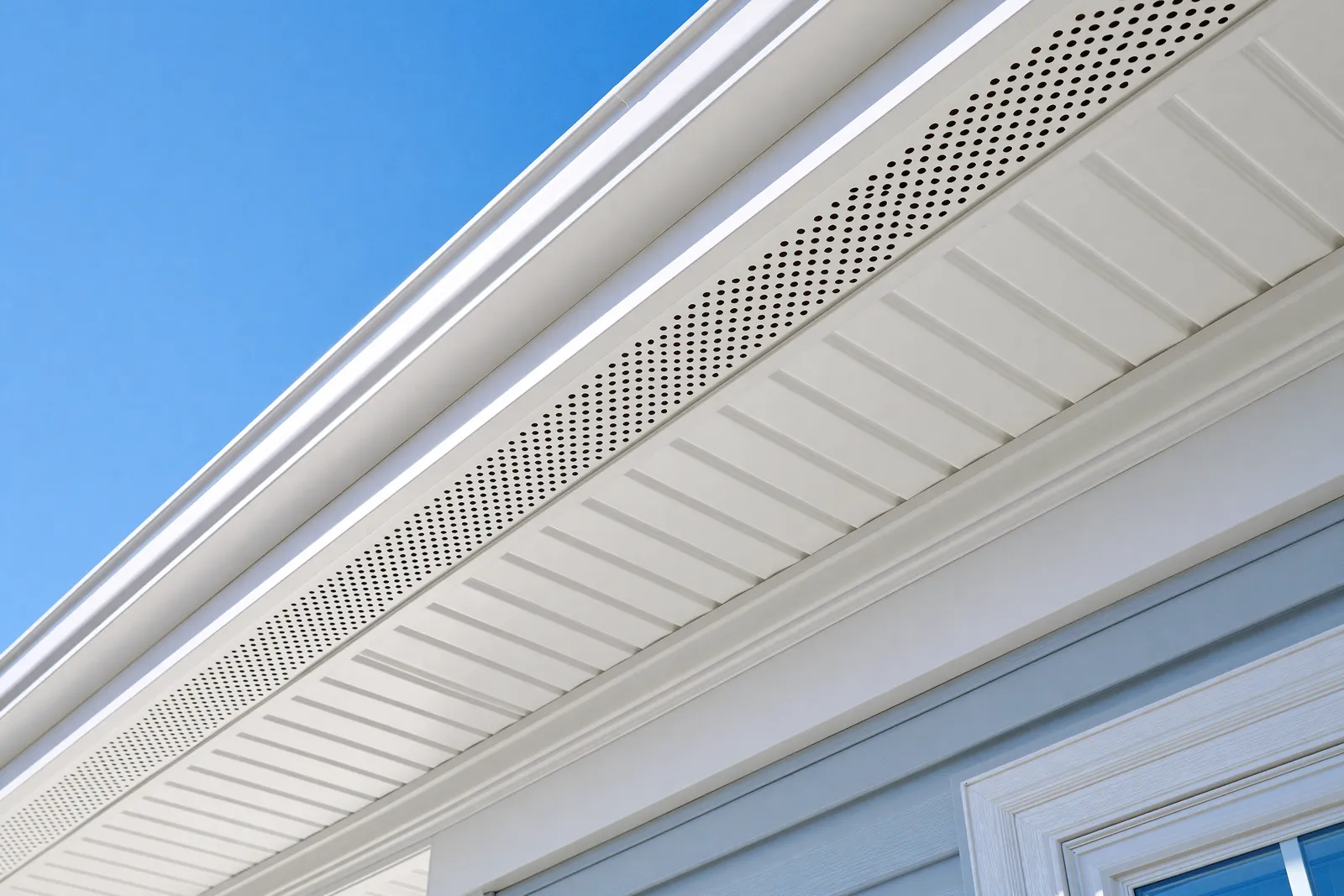
Roof ventilation only does its job when air moves in a loop. Cool air enters low through the soffit vents under the eaves, warms and rises, and leaves high through a vent cut at the ridge. When both halves are sized to match, an Irving attic clears its own heat and moisture the year round. When the intake is blocked or the exhaust is short, a Dallas County summer turns the attic into a heat trap that ages the roof from the inside out.
Before recommending anything, a local roofer reads the intake and the exhaust together and sizes them to match, because bolting more vents onto a starved attic changes nothing. The right move might be opening up the soffits, cutting a ridge vent, or both, and it comes back to you in writing. The payoff lands in shingle life more than a lower cooling bill: the shingle guide covers why two otherwise identical roofs can age years apart.
What the ventilation work covers
Both sides of the loop, read and set together.
- 01Ridge exhaust along the peak
- A continuous vent cut into the ridge and capped with matching shingles, the most even way to pull hot air off the whole roof and nearly invisible from the curb.
- 02Soffit intake that feeds it
- Painted-over, blocked, or missing soffit vents starve the loop, so the intake side gets opened up and baffled so attic insulation can't choke it back off.
- 03A single exhaust path
- Ridge vents, box vents, and spinning turbines pull against each other on one attic and short-circuit the airflow, so one clear path is set instead of a blend.
- 04Net free area sized to the attic
- A vent passes less air than its opening looks like it should, so the rated net free area gets matched to the attic floor, not counted by how many vents dot the roof.
Code sizes attic venting by the square footage of the attic floor, and the minimum varies by jurisdiction, so your roofer confirms what your house actually needs before cutting anything.
How a ventilation fix goes
Read the loop first, then correct whichever side is short.
Read both sides
Your roofer checks the soffits, the ridge, and the attic itself for trapped heat, damp decking, or insulation matted over the intake, then names which half of the loop is starving the other.
Correct the short side
Blocked intake gets opened and baffled, a ridge vent gets cut and capped, or a tired turbine comes off, all set to one exhaust path and priced in writing before the work starts.
Confirm it moves air
The finished system draws air in low and out high, and you get a plain read on what changed and what to keep an eye on going forward.
How to tell an Irving attic isn't breathing
Most of these turn up long before the roof itself starts to fail.
- An upstairs that stays hot into the evening while the rest of the house cools off
- Shingles curling, blistering, or shedding granules well ahead of their age
- Rust on the underside of nail tips, damp decking, or frost on the roof deck in winter
- A musty attic smell, or insulation that sits matted and damp
- A turbine that wobbles, screeches, or quit spinning after a Dallas County windstorm
Weak ventilation also puts the shingle warranty at risk, since most manufacturers require code-level attic venting to honor coverage; the roofing warranty guide covers what that means for a Texas roof.
Why ventilation matters more on an Irving roof
An Irving roof takes heat from two directions. From above, the Dallas County record carries the hail and wind this metro knows well, up to 4.00 inch hail and gusts near 96 mph over the last few years, and a lifted vent or a torn turbine cap is also an open water path. From below, a long North Texas summer bakes an unvented attic into an oven that ages the shingle mat every day the sun is up. The housing stock makes it worse. A lot of Irving's older homes date to the 1970s and 80s, and those roofs often went up with a couple of box vents and soffits that later got painted shut or buried under blown-in insulation. That was never balanced venting to start with, and it drifts further out of balance with every re-roof that doesn't correct it.
- 01Summer heat from below
- Attic air can run far hotter than the shade outside, and that trapped heat cooks the shingle mat from the underside straight through the season.
- 021970s stock, minimal venting
- Homes from Irving's build era often shipped with a few box vents and no real intake plan, so the loop was never balanced in the first place.
- 03Wind works the high vents
- Turbines and vent caps sit at the highest point of the roof, so the county's wind events bend and lift them before they touch anything else.
The cheapest time to set the loop right is when the roof is already off: cutting ridge exhaust and adding intake baffles during a roof replacement is one job instead of two.
Common roof ventilation questions
What Irving homeowners ask about attic heat, ridge vents, and turbines.
Q1Does poor attic ventilation really void a shingle warranty?
Q2Ridge vent, box vents, or a turbine, which is better?
Q3Can more vents be added without replacing the roof?
Q4How much ventilation does an attic actually need?
Q5Will better ventilation lower my energy bill?
Q6My turbine is noisy and wobbling after a storm, repair or replace?
See whether your attic is aging your roof early
Send over what the attic and the upstairs are doing, and a local roofer will read the intake, the ridge, and the deck, then tell you straight whether the loop is balanced and what a fix runs, in writing.