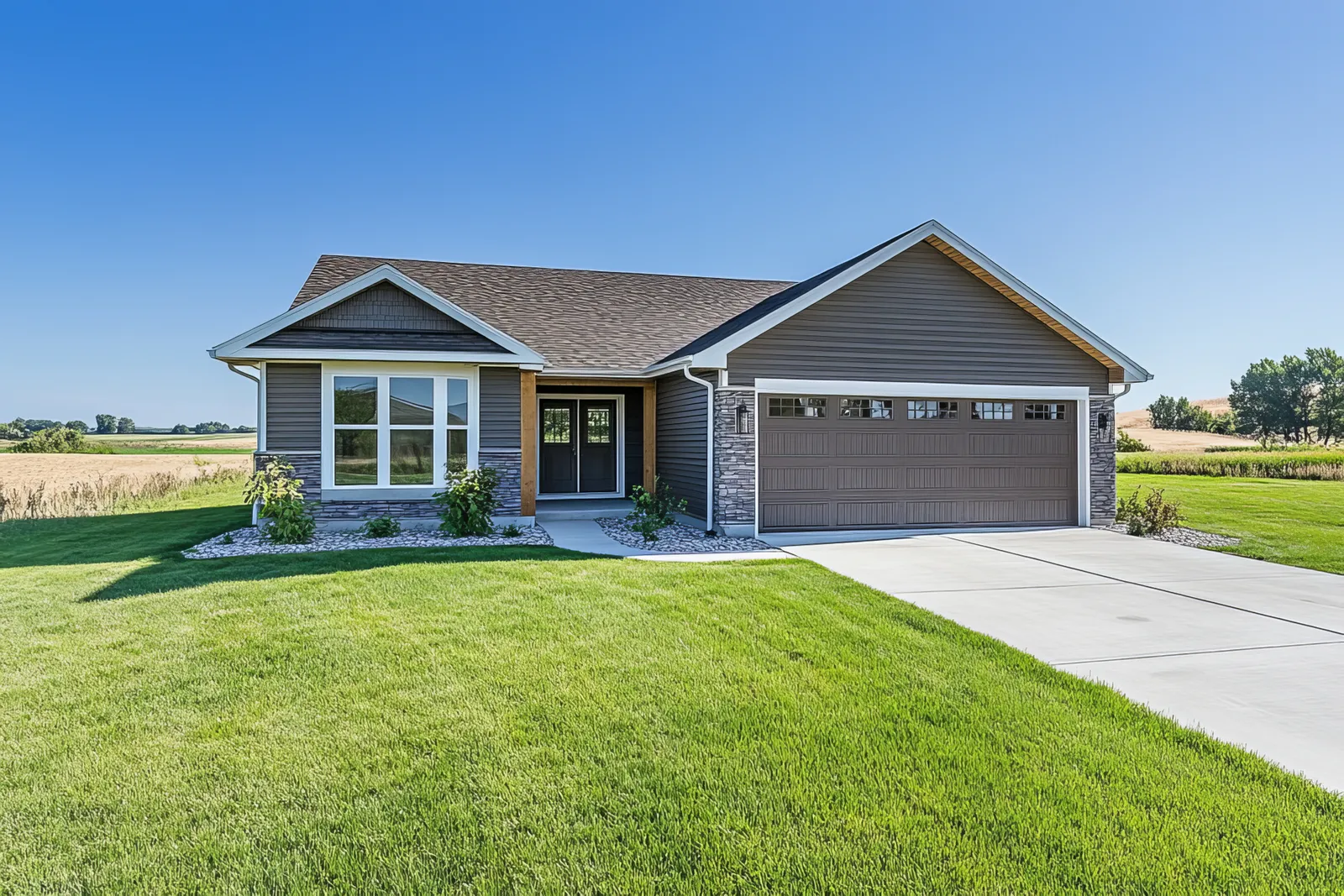
Standing in the yard looking up at an aging Irving roof, the honest question is rarely dramatic: does this need a repair, or is it time for a new one. It is a fair thing to be unsure about, because the answer turns on the roof's age and how far the wear has spread, not on a single missing shingle. A lot of older Irving homes were built back in the 1970s and are on their second or third covering by now, so plenty of roofs here are near the end. A local roofer can trace the real problem and give you the honest call, and getting it looked at is free.
One problem, or wear on every plane?
The cleanest way to think about it is to ask whether you are dealing with one problem or many. A single traceable leak, a cracked pipe boot, a length of lifted flashing, or a patch of shingles the wind pried up after a storm, usually points to a repair. The rest of the roof is sound, and fixing the one spot buys real years.
Wear spread across every plane is a different story. When you see bald patches where the granules are gone, shingles curling at the corners on more than one slope, and gutters full of grit season after season, the roof is aging out as a whole. Patching one corner of a roof that is failing everywhere just moves the next leak a few feet over.
Irving's roofs are older than they look
Age does a lot of the deciding here. Many of Irving's older homes were built back in the 1970s, and with a good share of the housing owner-occupied and plenty of rentals, a lot of these roofs are on their second or third covering. An asphalt shingle roof in this climate commonly runs 20 to 25 years, so a covering from the early 2000s is already well into middle age.
Two things quietly change the math on an older Irving roof. One is how many layers are already up there, since a second layer over the first shortens the life of both and has to come off in a replacement. The other is hail history: Dallas County has logged hail up to 4.00 inches, and years of smaller hits add up on a roof that was already tired.
When a repair truly buys years
A repair is the thrifty, right answer more often than people expect. It makes real sense when the roof is still relatively young, the damage is isolated, and the decking underneath is solid. In those cases a targeted repair can add years for a fraction of a replacement, and there is no reason to spend more.
- The roof is under about 15 years old and was sound before this damage.
- The problem traces to one spot: a boot, a valley, a run of flashing, or a small wind-lifted section.
- The decking below the leak is dry and firm, not spongy underfoot.
- You are not already chasing a new leak in a different place every storm season.
When a repair just defers the inevitable
Sometimes a repair is money spent to put off a decision that is already made. When the roof is near the end of its life and the wear is everywhere, a patch buys weeks, not years, and you end up paying twice. These are the signs that a full replacement is the more honest spend:
- The roof is 20 years or older and has widespread granule loss or curling.
- You have patched two or three leaks in different spots in the last couple of seasons.
- The shingles are brittle and crack when handled, so new work will not seal well to the old.
- A big hail year left bruising across multiple slopes, not just one corner.
Let the roof decide, not a guess
The good news is you do not have to make this call from the ground with your neck craned. A free inspection traces the leak to its source, checks the decking and the flashing, and comes back as a documented read of where the roof really stands. That report is what turns a stressful guess into a clear choice.
After a rough hail season the line between repair and replace can shift, since damage that looked cosmetic can be hiding bruised shingles that fail early. Whichever way it points, a local roofer will show you the honest options and what each one costs, and the ranges are worth knowing before anyone visits. Still on the fence? A free look is a no-pressure way to settle it.